Know your water before you drink it.
AquaVerifi lets anyone scan a bottle of water and instantly see when it was last tested, how fresh it is, its purity score, and the full history of the company behind the brand.
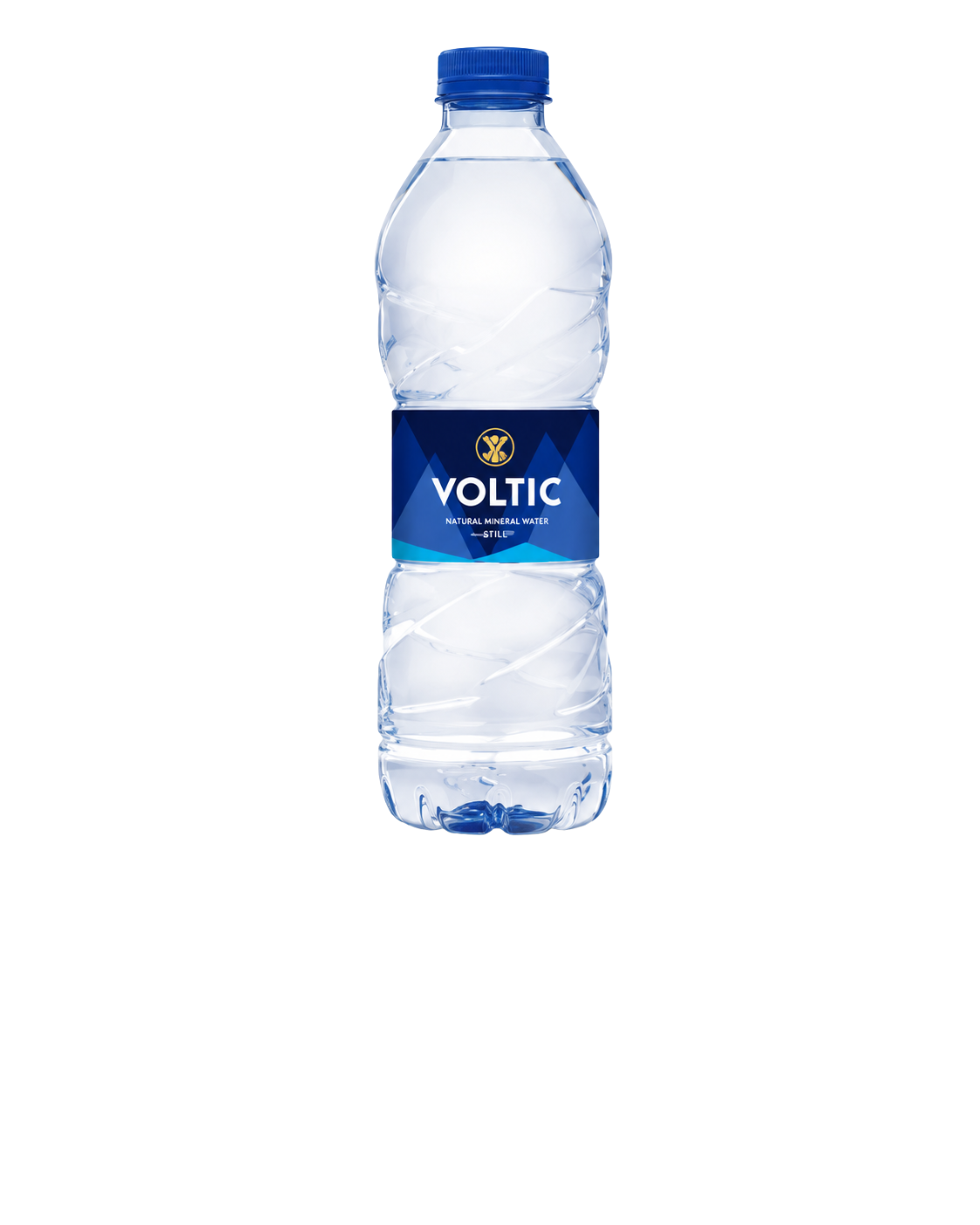

A trust card for every bottle.
No more squinting at tiny print. Three taps to know exactly what you're drinking.
Built for everyday drinkers — students, parents, workers, anyone who deserves to know what's in the bottle.
Scan
Point your camera at a bottle's barcode or label. Or search by brand name.
See the data
Freshness, PPM, purity score, and the lab or regulator behind the result.
Drink with confidence
Spot recalls, expired stock, and brands hiding from independent testing.
What do pH and ppm say about your water?
Every trust card shows these two numbers. Move the sliders to see what changes in the water, and where the healthy range sits.
pH: how acidic or alkaline
A scale from 0 to 14. Lower is more acidic, higher is more alkaline, and 7 is neutral.
Ideal drinking range. The range used by the US EPA and by AquaVerifi checks. Tap water and most bottled water sit here. Pure water is 7.
ppm: how much is dissolved
Parts per million of total dissolved solids (TDS): the minerals and salts in the water. 1 ppm is about 1 milligram per litre. Lower is better: the less dissolved, the purer the water.
Clean, fresh taste with a light mineral content. WHO rates water under 300 ppm as excellent for taste.
- Purestunder 50 ppm
- Excellent50 to 300 ppm
- Good300 to 600 ppm
- Fair600 to 900 ppm
- Poor900 to 1,200 ppm
- Unacceptableover 1,200 ppm
ppm is not a safety score
A TDS meter counts dissolved salts and minerals. It cannot see bacteria, lead, nitrates or pesticides, so clear, low-ppm water can still be unsafe. That is why we show lab results.
Your body sets its own pH
Blood stays between 7.35 and 7.45 whatever you drink, held there by your lungs and kidneys. Stomach acid is far lower, about 1.5 to 3.5, so a glass of water barely changes it.
Minerals come mostly from food
Water adds a little calcium and magnesium, but meals supply far more. A higher ppm is not automatically better for you.
General information, not medical advice. If you have kidney disease or follow a low-sodium diet, ask a doctor about the mineral content of your water. Ranges: pH 6.5 to 8.5 follows the US EPA and AquaVerifi checks (WHO sets no health-based pH limit). ppm bands follow WHO taste ratings; the US EPA taste guideline is 500 ppm.
Featured Ghana brands
Latest trust scores from our directory.
For bottling companies
Claim your brand, upload current test certificates, and earn a public verified badge. Build consumer trust before competitors do.
Claim your brandFor labs & regulators
Submit independent test results that appear on every bottle's profile. Help build Africa's most credible water-quality dataset.
Become a partner labEvery bottle deserves a story.
Open the scanner, point at any bottle, and see what's really inside. It's free, and it always will be.
Open scanner